This is a SEO version of wfjulaug2011. Click here to view full version
« Previous Page Table of Contents Next Page »FLAT-PACK FOOTWEAR
becomes aware of the existing problems of mass production, by showing an alternative way to make shoes. In addition, the dialogue between users and the shoemaker should encourage users to take care about and repair their belongings more often.
“Through the process, the user knows exactly where the shoe is made and thereby has the opportunity to value the work of the local craftsmen.”
The Creo Shoe Concept was developed by Ms Rieker last year, but in May this year, she announced her intention to apply for a grant for young entrepreneurs from German organisation EXIST Gründerstipendium to found a company. After this, Ms Rieker hopes to work with an associate to develop the concept and make it ready for production. Whether the flat-pack shoe idea will take off in the footwear industry remains to be seen, especially with the disappearance in recent decades of cobblers and craftsmen. Nevertheless, as an academic exercise the ‘Creo Shoe Concept’ achieves what it sets out to do: highlighting the importance of finding sustainable ways and means to create a pair of shoes.
31
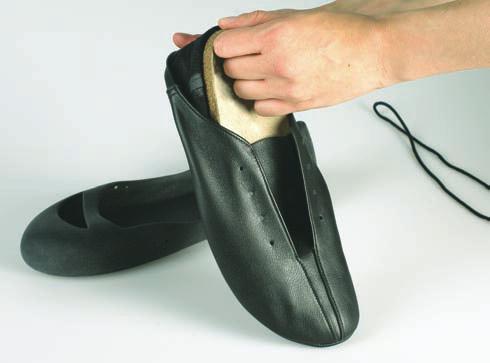
The Creo shoe components are made out of sustainable and recyclable materials. The leather used comes from vegetable-tanned cowhide from southern Germany.
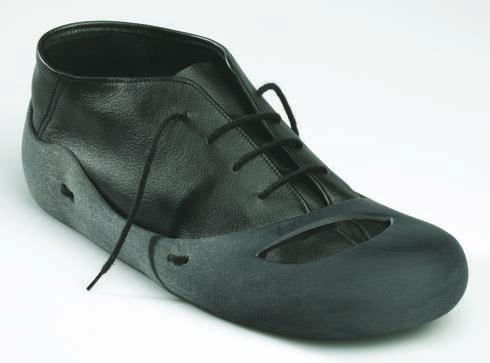
In designing the Creo Shoe Concept, Ms Rieker aimed to tackle the problems of sustainability and ecology within the footwear industry.
This is a SEO version of wfjulaug2011. Click here to view full version
« Previous Page Table of Contents Next Page »